
How to Prevent Roof Leaks Before Storm Season Hits Long Island
How to prevent roof leaks is one of the most important questions Long Island homeowners should address before storm season begins. Coastal winds, heavy rain, snowmelt, and temperature swings create the perfect conditions for small roofing weaknesses to turn into serious leaks.
Understanding how to prevent roof leaks early allows you to protect insulation, drywall, structural framing, and interior finishes from expensive water damage. The goal is proactive maintenance — not emergency repair.
Below are seven powerful steps homeowners in Nassau and Suffolk County can take to prevent roof leaks before severe weather hits.
| 1. How Storms Expose Hidden Roof Weaknesses |
| 2. Why Professional Roof Assessments Are Critical |
| 3. Frequently Asked Questions |
| 4.Final Thoughts |
How Storms Expose Hidden Roof Weaknesses
Roofing systems are designed to shed water efficiently, but over time, wear and tear can weaken critical components. Storm conditions — especially wind-driven rain — often reveal small cracks, loose flashing, or minor shingle damage that previously went unnoticed. Identifying and addressing these vulnerabilities early is key to preventing leaks.
Below are seven preventative measures every Long Island homeowner should consider.
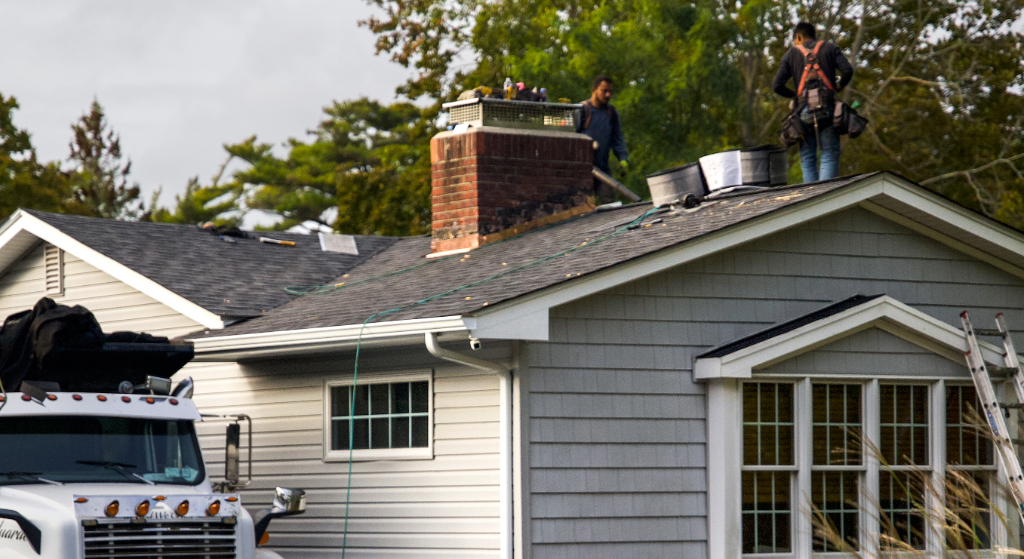
1. Schedule a Professional Roof Inspection
The most effective way to understand how to prevent roof leaks is to begin with a thorough inspection. A trained roofing professional can identify loose shingles, deteriorating flashing, small punctures, or weak areas that homeowners often miss.
Long Island homes face unique environmental stress from salt air and wind uplift. Inspections before peak storm months dramatically reduce emergency repair risks.
2. Repair or Replace Damaged Shingles
Shingles act as the primary barrier against rain and wind. Cracked, curling, or missing shingles compromise that barrier. Replacing damaged shingles is one of the most direct strategies for how to prevent roof leaks effectively.
Windstorms common across Nassau and Suffolk County can loosen shingles even if they are not fully detached. Early repair prevents water intrusion beneath the surface.
3. Clean and Maintain Gutters
Clogged gutters cause water to back up under shingles. Leaves, debris, and granules block drainage and create pooling near roof edges.
Routine cleaning ensures proper water flow and is a simple but powerful method for how to prevent roof leaks before heavy rain arrives.
4. Inspect Flashing Around Chimneys, Skylights, and Vents
Flashing seals roof penetrations. Over time, sealant can crack and metal can corrode. Damaged flashing is one of the most common leak sources in Long Island homes.
Repairing flashing early is a critical part of how to prevent roof leaks during storm season.
5. Improve Attic Ventilation and Insulation
Moisture does not always come from rainfall. Poor attic ventilation can cause condensation buildup that weakens decking and leads to leaks.
Balanced airflow reduces trapped moisture and helps regulate temperature, especially during winter freeze-thaw cycles.
6. Trim Overhanging Tree Branches
Branches scraping against shingles accelerate wear. During storms, heavy limbs can break and cause direct impact damage.
Tree trimming reduces debris buildup and physical stress on roofing materials.
7. Address Minor Repairs Immediately
One of the most overlooked aspects of how to prevent roof leaks is timely maintenance. Small cracks, loose nails, or minor sealant failures can expand quickly during heavy rainfall.
Delaying repairs increases the likelihood of structural damage, mold growth, and insulation deterioration.
Why Professional Roof Assessments Are Critical
According to general roofing design principles explained in this roofing overview, roofs rely on layered protection systems. Once one layer weakens, water penetration becomes more likely.
If you’re unsure whether your roof is ready for storm season, professional roof repair services in Long Island can identify vulnerabilities and reinforce your roofing system before severe weather strikes.
Frequently Asked Questions
When should I start preparing my roof for storm season?
Roof preparation should begin at least one to two months before peak storm months. Early inspections allow time for repairs and reduce emergency risks during heavy rainfall.
Can preventative maintenance really stop leaks?
Yes. Preventative maintenance significantly reduces the risk of water intrusion. Addressing minor weaknesses early prevents structural damage later.
How often should gutters be cleaned?
Gutters should be cleaned at least twice per year and more often if trees surround your home.
Does attic ventilation impact roof longevity?
Proper ventilation reduces moisture buildup and extends the lifespan of roofing materials.
Is professional inspection necessary every year?
Annual inspections help identify hidden weaknesses and ensure your roof remains prepared for seasonal stress.
Final Thoughts
Understanding how to prevent roof leaks before storm season hits Long Island can protect your home from serious structural damage. If you’d like a professional inspection or preventative repair assessment, call (631) 892-9165 or visit our contact page to schedule your consultation. Acting early is always more affordable than emergency repairs.