Best roofing materials Long Island choices should start with local climate, not just color or curb appeal. Long Island homes face coastal moisture, salt air, wind-driven rain, summer heat, humidity, falling branches, freeze-thaw cycles, and nor’easters. A strong roof needs the right material, underlayment, flashing, ventilation, fastening pattern, and drainage. At Ready Roof, we use 10+ years of roofing experience and 1,000+ completed roofs to help homeowners compare durable roof coastal NY options. This guide explains asphalt shingles, metal roofing, flat roof membranes, impact-resistant shingles, and other roofing materials northeast homes may need for long-term protection.
Table of Contents
Quick Answer
Best roofing materials Long Island usually include architectural asphalt shingles, standing seam metal roofing, impact-resistant shingles, and single-ply flat roof systems like TPO, EPDM, or PVC for low-slope areas. The best choice depends on roof pitch, salt exposure, wind risk, budget, and how long the homeowner plans to stay.
Asphalt shingles are often the best value, metal roofing is strong for longevity, and TPO or PVC can work well on flat roof areas. A local inspection helps match the roof material to real weather exposure.
How Long Island Weather Affects Roofing
Best roofing materials Long Island decisions must account for coastal weather. Salt air can speed up corrosion on low-quality metal components. Wind-driven rain can push water under weak flashing. Summer heat can dry out older shingles. Winter freeze-thaw cycles can widen small gaps around vents, chimneys, and skylights. This is why the roof surface is only one part of the system.
Durable roof coastal NY planning should include underlayment, ice and water shield, drip edge, ventilation, ridge caps, and proper gutters. If water cannot drain correctly, even strong materials can fail early. Long Island homes near open water or tree-heavy neighborhoods may need stronger fastening, impact-resistant materials, or more frequent inspections.
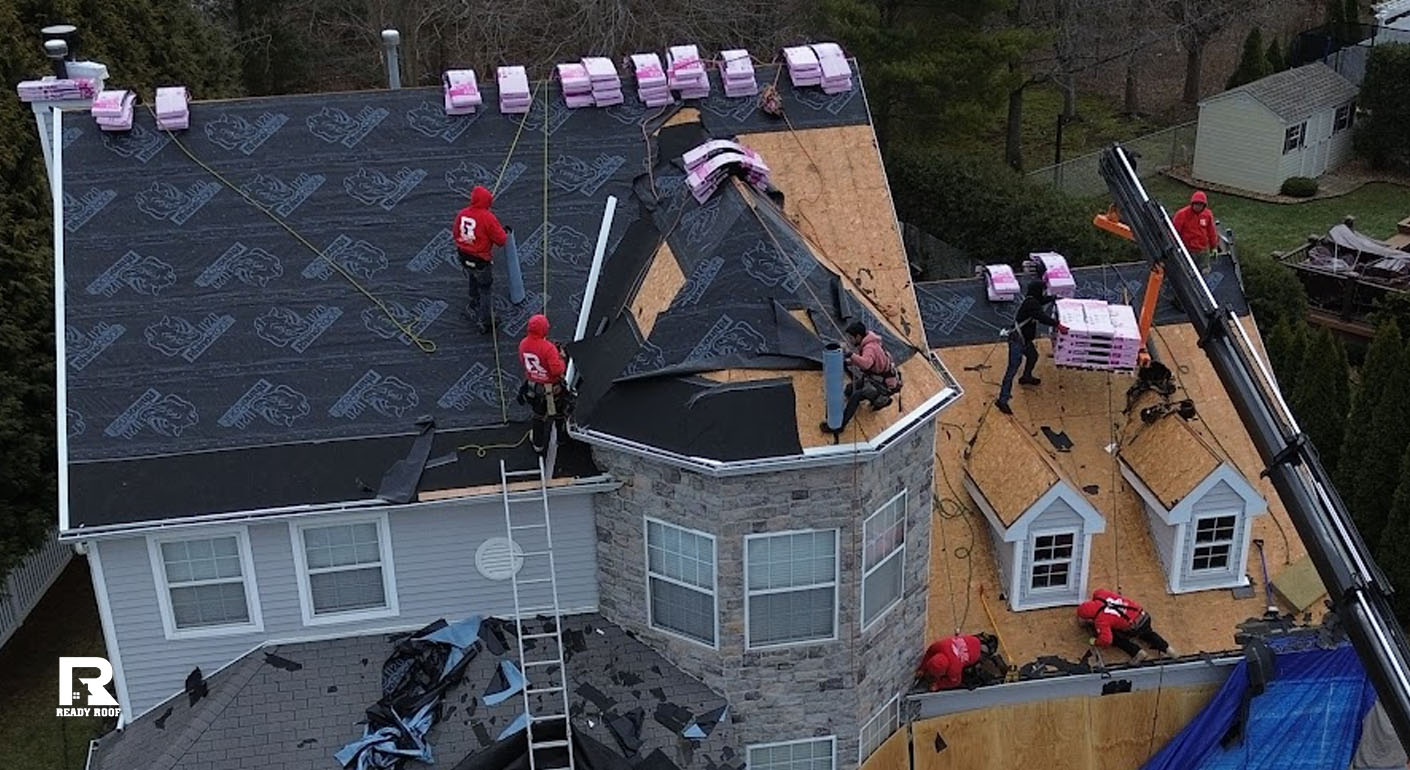
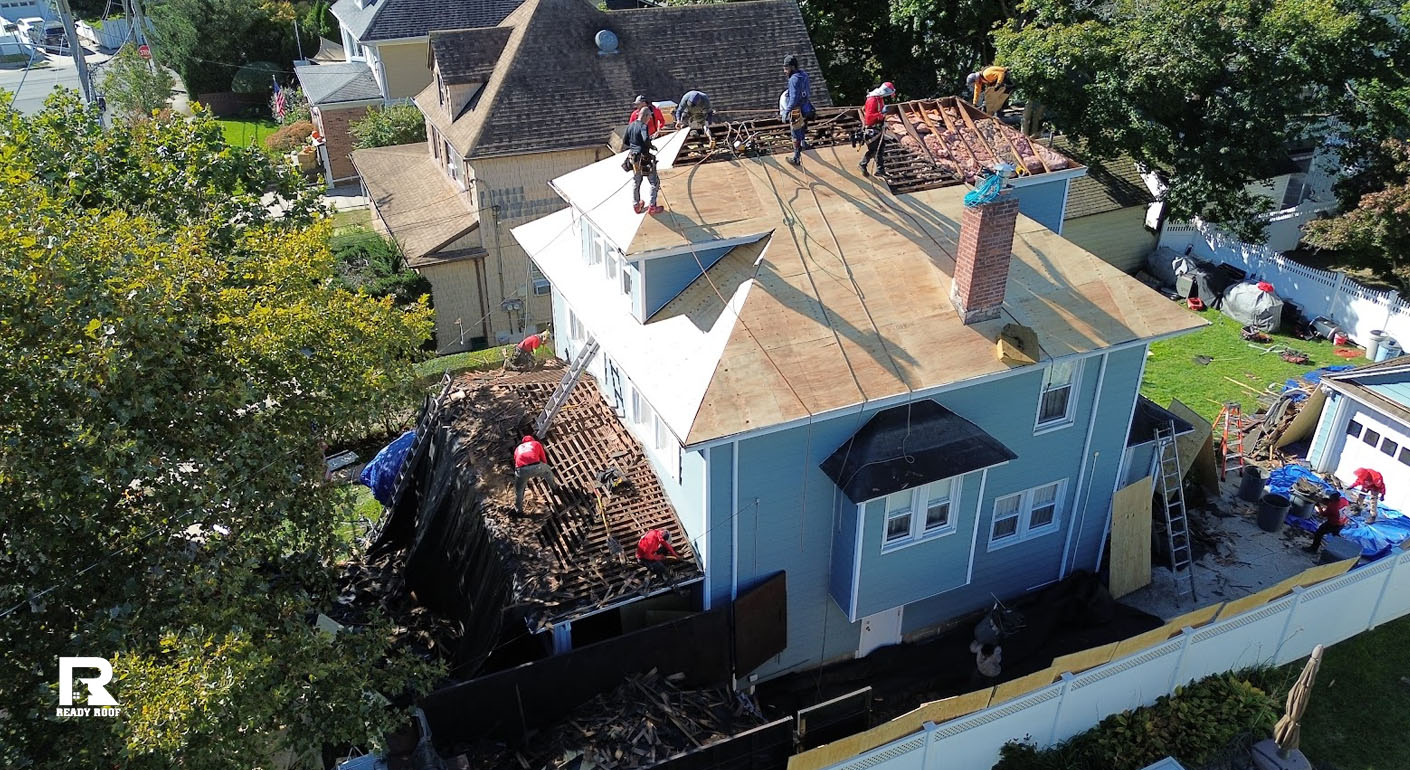
Ready Roof reviews slope, decking, ventilation, and drainage before recommending a system through our roof replacement service.
| Material | Best Use | Typical Lifespan | Main Benefit |
|---|---|---|---|
| Architectural asphalt shingles | Most residential homes | 20 to 30 years | Value and style choice |
| Standing seam metal | Long-term weather protection | 40 to 70 years | Durability and water shedding |
| Impact-resistant shingles | Storm-prone areas | 25 to 35 years | Better impact protection |
| TPO or PVC membrane | Flat or low-slope roofs | 20 to 30 years | Seam and drainage performance |
CTA: If you want the best roofing materials Long Island homes can rely on, schedule a roof evaluation through Ready Roof’s contact page before the next storm season.
Best Roofing Materials Long Island Homes Should Compare
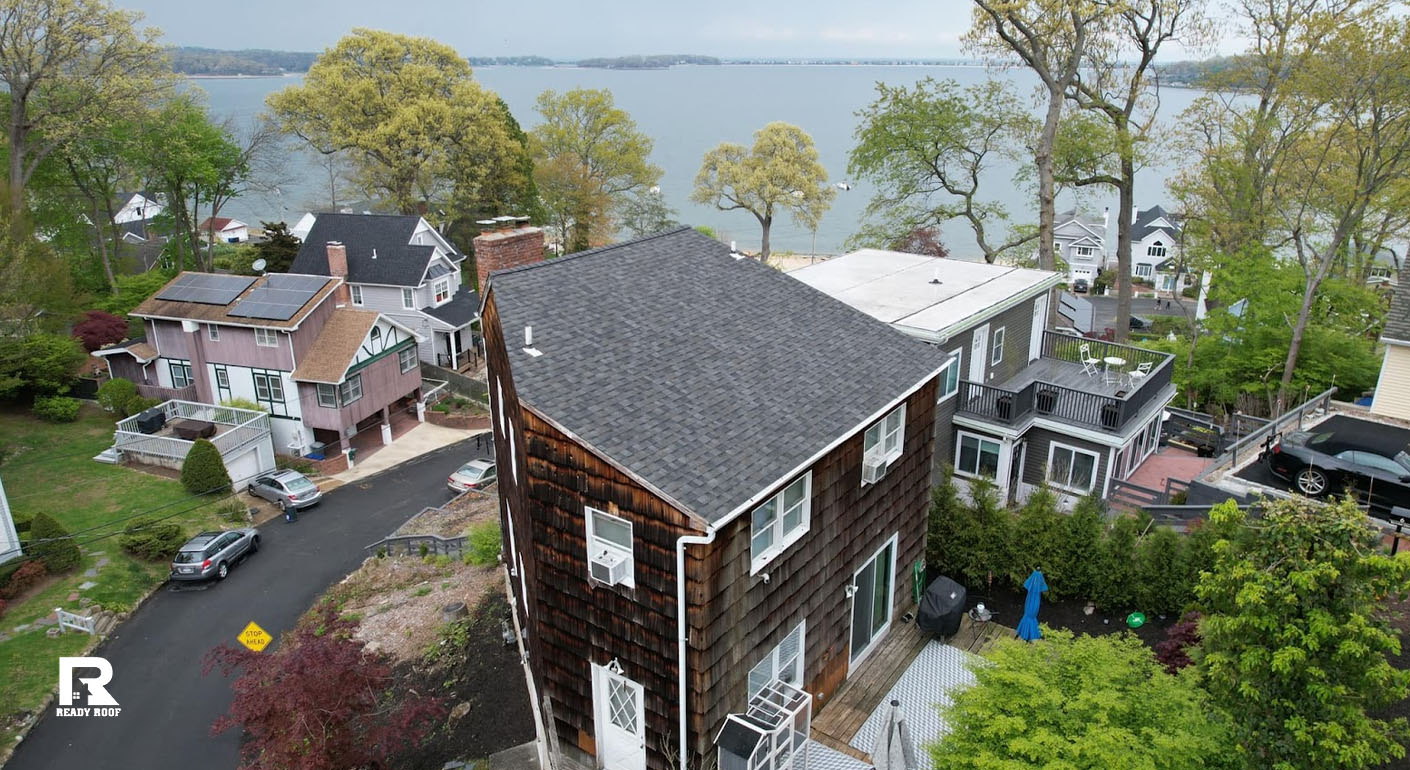
Best roofing materials Long Island homeowners compare most often are asphalt shingles and metal roofing. Architectural shingles are popular because they balance cost, appearance, and reliable protection. They also come in many colors and profiles, which helps match Long Island home styles. Metal roofing costs more upfront but can offer longer lifespan and strong water shedding.
Hurricane resistant roofing does not mean a roof is storm-proof. It means the system is selected and installed to reduce risk from high wind, wind-driven rain, and debris. Impact-resistant shingles can help in areas with falling branches or storm debris. Stronger underlayment, correct nailing, and high-quality flashing are just as important as the material itself.
The U.S. Department of Energy’s cool roof guidance explains how reflective roofing can lower heat absorbed by a roof surface, which can matter during hot summer months.
Flat Roof and Low-Slope Materials
Best roofing materials Long Island also includes flat roof systems for home additions, garages, dormers, commercial buildings, and low-slope sections. Asphalt shingles should not be used on roof areas that are too flat because water does not drain fast enough. In those cases, single-ply membranes like TPO, EPDM, or PVC may be better.
Roofing materials northeast properties need should be chosen around drainage and temperature movement. EPDM is flexible, TPO is reflective, and PVC can perform well where chemical or grease exposure is present. For Long Island flat roofs, seams, drains, edge metal, and penetrations are major leak points. A membrane is only as good as the details around it.
Learn more about flat roof membranes through our flat roof services.
Storm Resistance and Maintenance
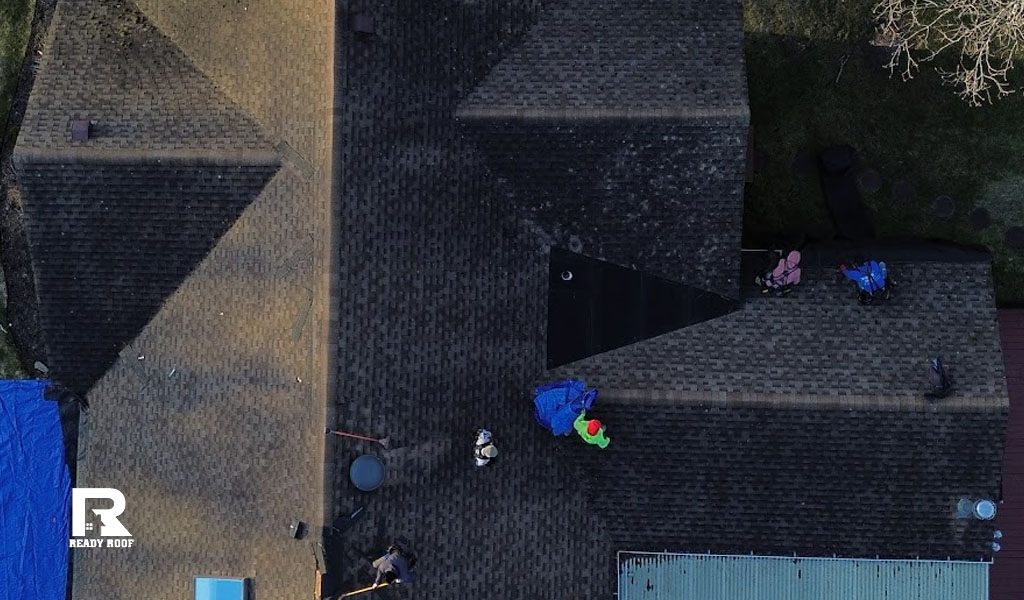
Best roofing materials Long Island should be paired with routine maintenance. Even premium materials need inspections after major wind, rain, or ice events. Missing shingles, lifted flashing, clogged gutters, cracked pipe boots, and loose ridge caps can lead to leaks. Small issues can grow quickly when coastal storms push water into weak areas.
Salt air roofing materials should include corrosion-resistant accessories where appropriate. Fasteners, flashing, drip edges, and vents matter because weak components can fail before the main roof material. Durable roof coastal NY systems should also include clean gutters and correct ventilation, because trapped heat and moisture can shorten roof life from below.
- Inspect the roof after major storms.
- Keep gutters and downspouts clear.
- Check flashing around chimneys and skylights.
- Fix small leaks before decking is damaged.
CTA: Need help with hurricane resistant roofing or salt air roofing materials? Call Ready Roof at (631) 892-9165 for a local roof inspection.
Frequently Asked Questions
What are the best roofing materials for Long Island weather?
Best roofing materials Long Island homes often use include architectural shingles, metal roofing, impact-resistant shingles, and TPO or PVC for low-slope areas.
Are asphalt shingles good for coastal NY homes?
Yes, asphalt shingles can be durable roof coastal NY options when installed with proper underlayment, flashing, ventilation, and storm-rated fastening methods.
Is metal roofing good for Long Island?
Metal roofing can be strong for Long Island because it sheds water well and can last for decades. It costs more upfront than asphalt shingles.
What is hurricane resistant roofing?
Hurricane resistant roofing uses materials, fastening, underlayment, and flashing details designed to reduce wind and water damage risk. It is not storm-proof.
Which roofing materials northeast homes need last longest?
Roofing materials northeast homes need for long life often include metal roofing, quality architectural shingles, slate in select cases, and properly installed flat roof membranes.
Conclusion
Best roofing materials Long Island choices depend on weather exposure, roof pitch, budget, home style, and long-term plans. Asphalt shingles work well for value, metal roofing offers long service life, and TPO or PVC can protect flat and low-slope sections. With 10+ years of experience and 1,000+ roofs completed across Long Island, Ready Roof helps homeowners choose materials based on real roof conditions. For guidance, contact Ready Roof through our contact page.
CTA: Get the best roofing materials Long Island homes need for coastal weather. Contact Ready Roof today for a clear roofing recommendation.