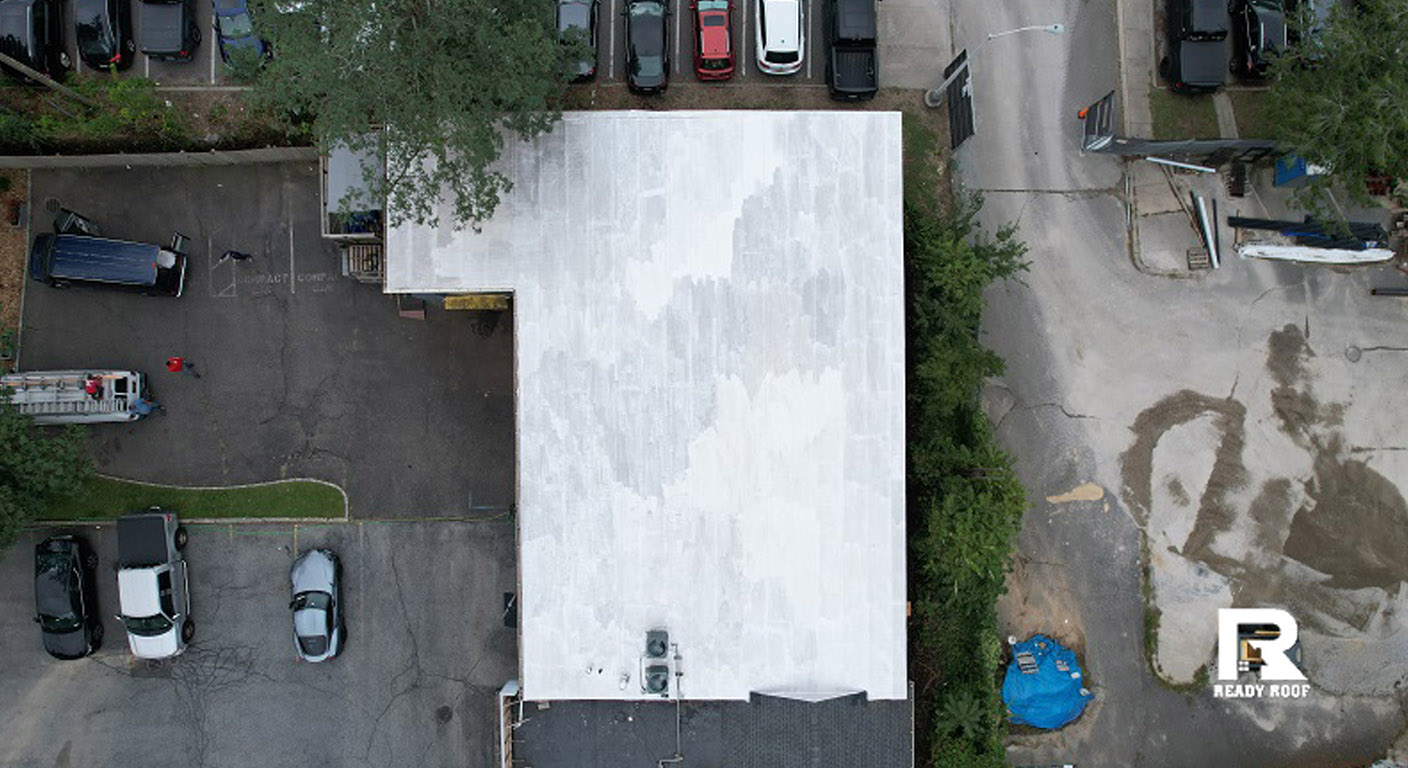
Flat roof leak repair is one of the most common roofing services requested for commercial buildings and residential properties across Long Island. Unlike pitched roofs that shed water quickly, flat roofs rely on proper drainage systems and membrane integrity to prevent pooling and water intrusion.
When flat roofing systems begin to fail, leaks often develop slowly and go unnoticed until interior damage appears. Water can travel beneath roofing membranes, soak insulation, and weaken decking before visible stains show inside the building. That is why understanding the causes behind flat roof leak repair situations is essential for property owners in Nassau and Suffolk County.
In this guide, we’ll explain the most common causes of flat roof leaks in Long Island buildings, warning signs to watch for, and how professional flat roof leak repair prevents larger structural problems.
| Why Flat Roofs Leak More Frequently |
| 7 Major Causes of Flat Roof Leaks |
| Warning Signs You Need Flat Roof Leak Repair |
| How to Prevent Flat Roof Leaks |
| FAQ |
| Final Thoughts |
Why Flat Roofs Leak More Frequently
Flat roofs are not completely flat — they are designed with a slight slope to allow water drainage. However, because water does not run off as quickly as it does on pitched roofs, standing water and membrane wear become more common.
According to general roofing system principles outlined in this roofing overview, flat roofing systems depend heavily on membrane integrity and drainage performance. When either fails, flat roof leak repair becomes necessary.
Long Island’s heavy rainfall, snow accumulation, and freeze-thaw cycles increase stress on flat roofing materials, especially in commercial buildings.
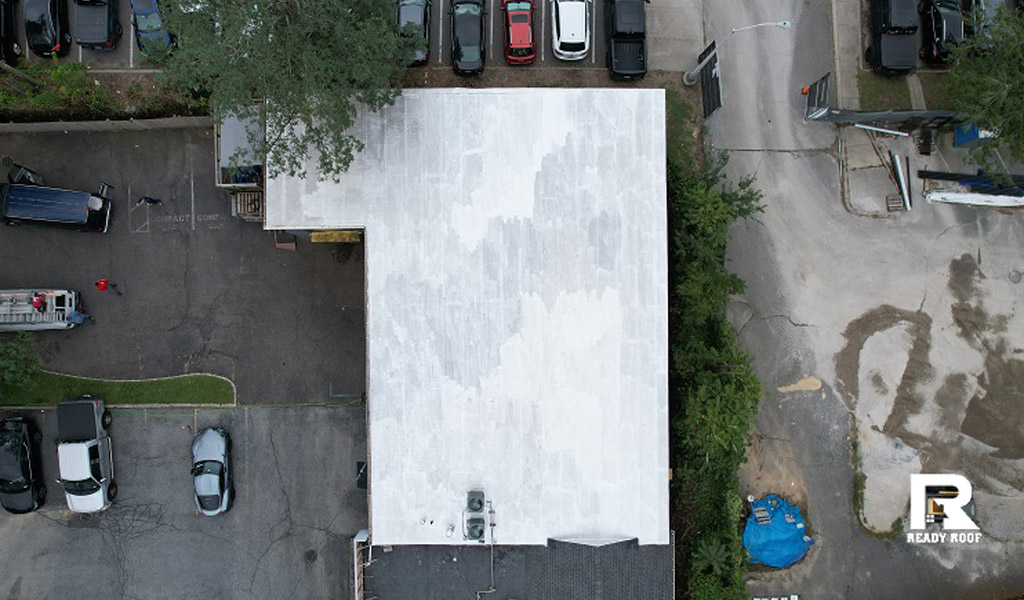
7 Major Causes of Flat Roof Leaks
1. Ponding Water
Ponding water occurs when drainage systems fail to remove water efficiently. Standing water weakens membranes and accelerates deterioration, often leading to flat roof leak repair.
2. Membrane Cracks or Blisters
Flat roofing materials such as EPDM, TPO, or modified bitumen can develop cracks, bubbles, or seam separation over time. These vulnerabilities allow water to penetrate beneath the surface.
3. Damaged Flashing
Flashing around HVAC units, vents, and parapet walls often deteriorates. Once flashing fails, water can enter through seams and joints.
4. Poor Installation
Improperly sealed seams, insufficient slope, or substandard materials frequently result in premature flat roof leak repair needs.
5. Aging Roofing Materials
Flat roofs typically last 15–25 years depending on materials and maintenance. Aging membranes lose flexibility and become more prone to cracks.
6. Storm Damage
Long Island windstorms and heavy rainfall can lift seams and puncture membranes with debris.
7. Clogged Drains or Scuppers
Blocked drainage systems prevent water flow, leading to ponding and structural stress.
Warning Signs You Need Flat Roof Leak Repair
- Interior ceiling stains or bubbling paint
- Water pooling on roof surface
- Visible membrane cracks
- Mold growth near roof penetrations
- Unusual odor in upper floors
If you notice these signs, professional roof repair services in Long Island can diagnose the issue before it spreads.
How to Prevent Flat Roof Leaks
Schedule Annual Inspections
Routine inspections identify seam separation and minor cracks before major flat roof leak repair becomes necessary.
Maintain Drainage Systems
Keep drains clear of debris to prevent ponding water.
Address Minor Damage Immediately
Small punctures expand quickly under heavy rainfall.
Ensure Proper Installation
Hiring experienced roofing professionals reduces future repair risk.
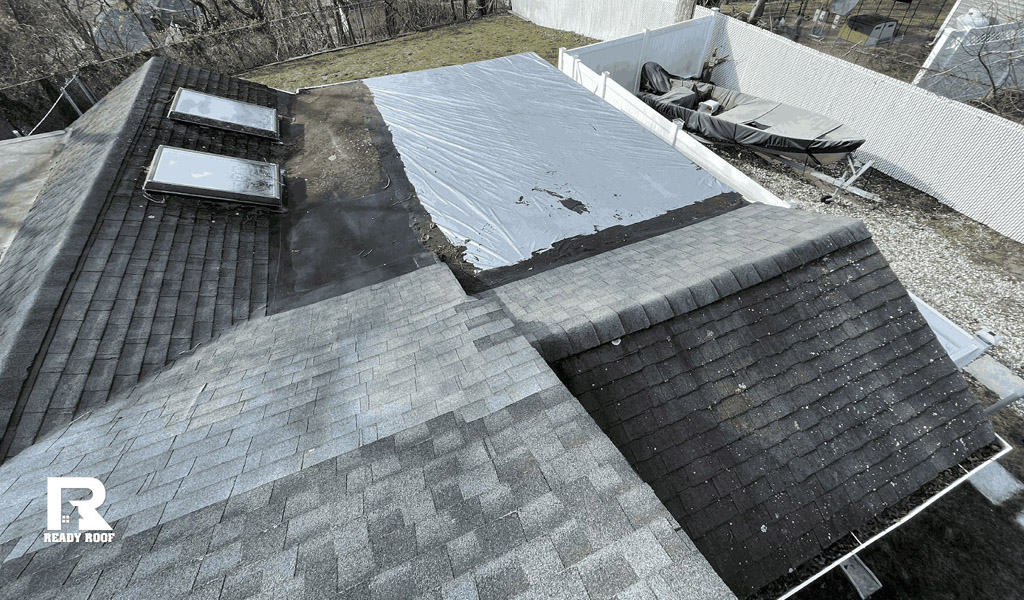
Frequently Asked Questions
How urgent is flat roof leak repair?
Flat roof leaks should be addressed immediately. Because water can spread beneath membranes, small leaks often cause extensive hidden damage before becoming visible inside the building.
How long do flat roofs typically last?
Most flat roofs last between 15 and 25 years depending on materials, installation quality, and maintenance frequency.
Can ponding water really cause leaks?
Yes. Standing water weakens membrane seams and increases pressure on roofing materials, accelerating deterioration.
Is flat roof leak repair expensive?
Costs vary depending on severity, but early repairs are significantly less expensive than full replacement.
Should commercial buildings inspect flat roofs more often?
Yes. Commercial flat roofs experience more foot traffic and equipment stress, requiring routine inspection.
Final Thoughts
Flat roof leak repair is not something to delay, especially in Long Island’s demanding climate. Ponding water, membrane cracks, and flashing failure can quickly turn minor issues into costly structural damage. If you suspect a problem, call (631) 892-9165 or visit our contact page to schedule a professional inspection. Early action protects your property and extends the life of your flat roof.