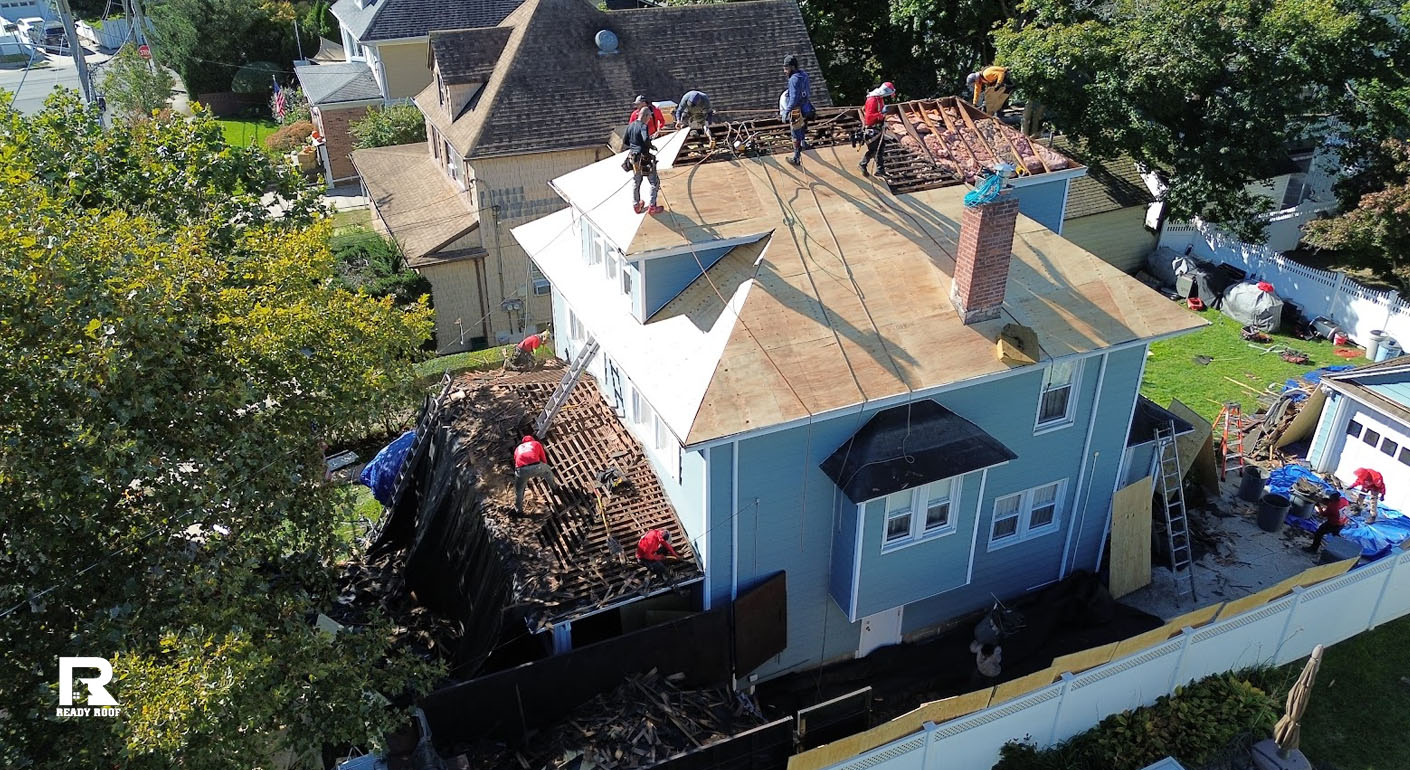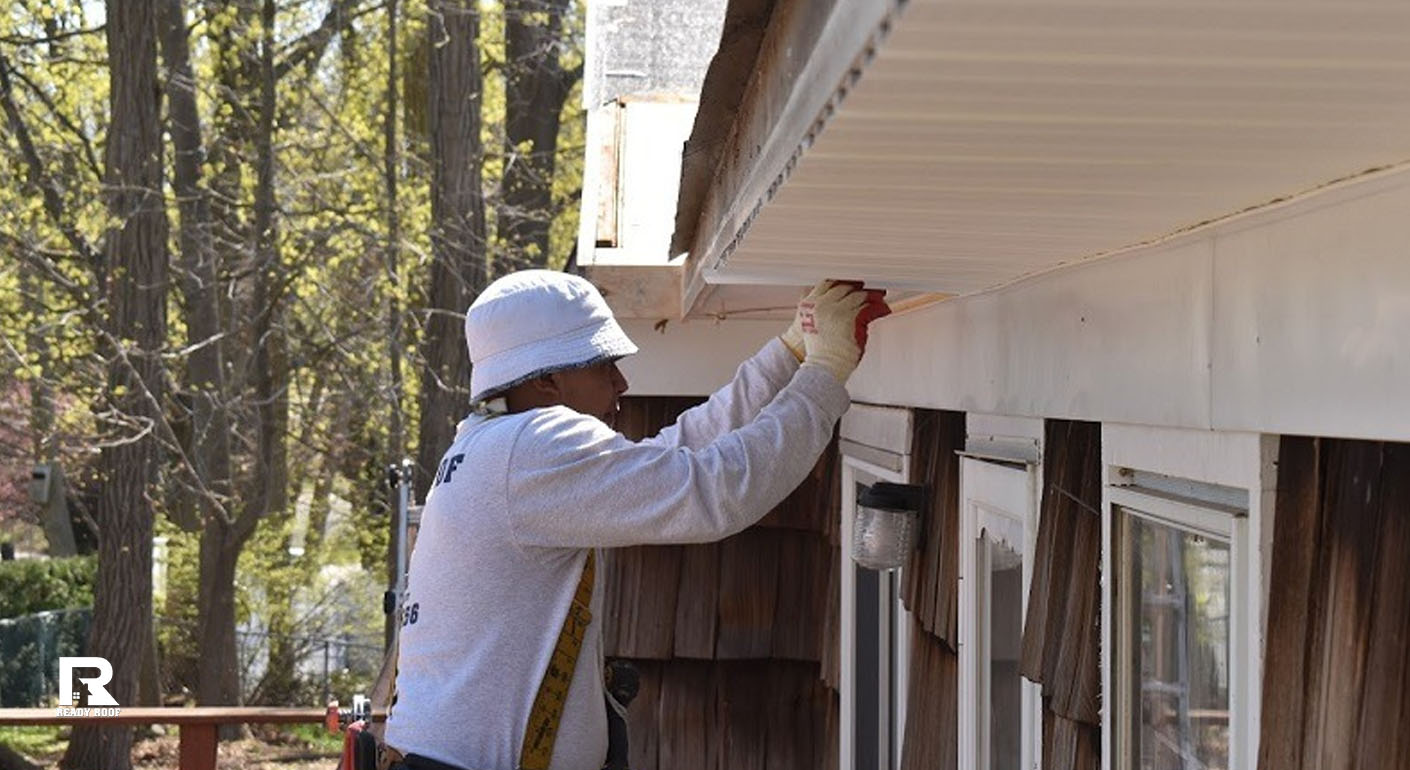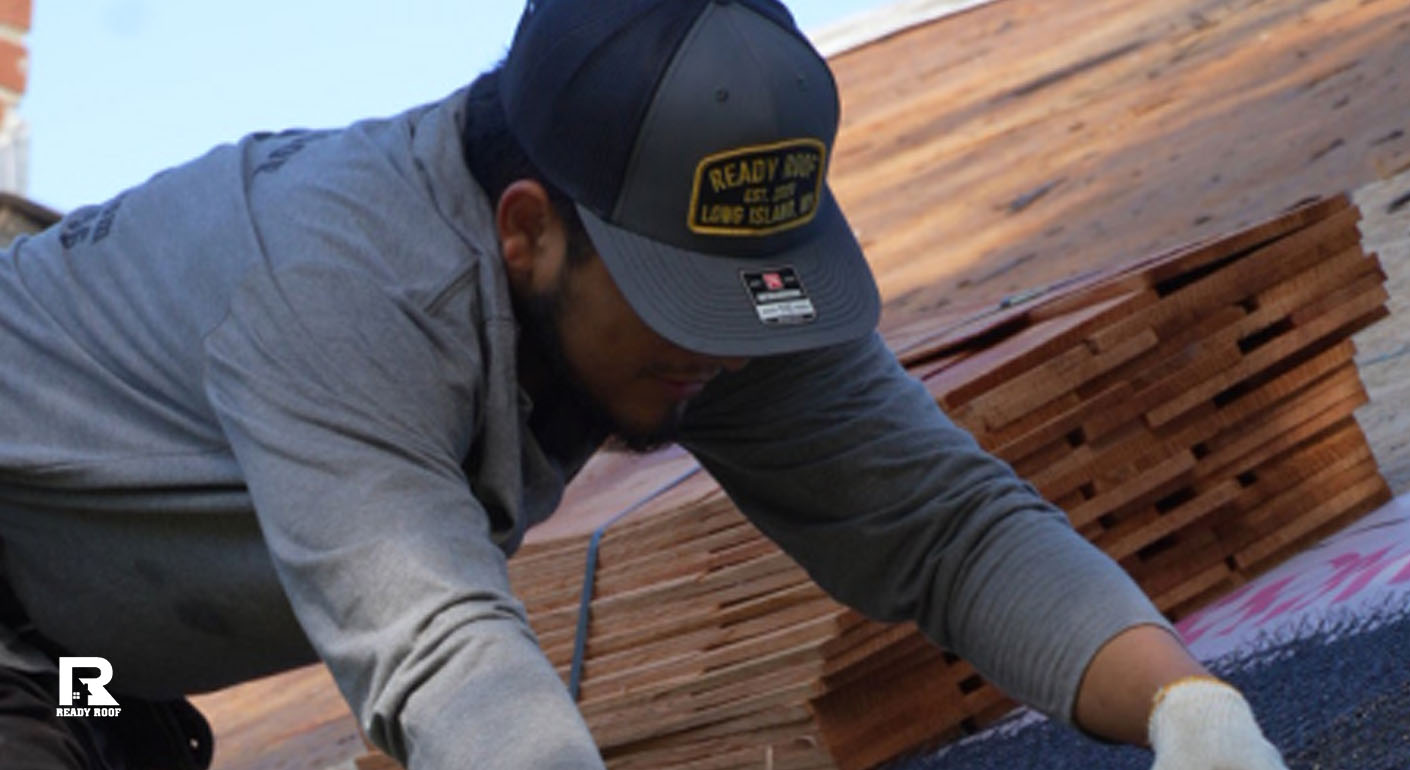

There is rarely a good time for roofing problems to show up. A water stain spreading across your ceiling, shingles scattered across your yard after a storm, or a subtle but persistent drip every time it rains on Long Island all carry the same immediate question: do you repair what is there or replace the whole thing? It is the central decision every homeowner faces when their roof starts sending signals, and it is one where the wrong call can cost you significantly more money than the right one.
The roof repair vs roof replacement question does not have a universal answer. It depends on the age of your roof, the extent and location of the damage, your budget and timeline, and the long-term plans you have for the property. At Ready Roof, we have helped Long Island homeowners navigate this decision across Nassau and Suffolk County for years. Our licensed and insured team handles everything from minor leak repairs to complete roof replacements, and we bring the same commitment to honest assessment and quality craftsmanship to every project regardless of scope. This guide is designed to help you understand the factors that drive the right decision so you can approach your roofing situation with confidence.
Why This Decision Matters More Than It Might Seem
Homeowners sometimes approach the roof repair vs roof replacement question purely as a cost comparison: repair is cheaper, so repair wins. That logic works when the underlying roof system is sound and the damage is genuinely isolated. It breaks down quickly when the damage is symptomatic of broader deterioration. Patching a roof that is structurally compromised is a bit like painting over a water stain without finding the leak. You address the visible problem while the underlying issue continues progressing.
Long Island’s climate adds particular urgency to this calculation. The region experiences significant seasonal weather variation, from nor’easters and heavy snow loads in winter to tropical storms and hurricane-adjacent conditions in late summer and fall. A roof that is marginal in September may not survive October. Understanding the actual condition of your roofing system, not just the visible damage, is what makes the repair versus replacement decision one worth getting right.
Protect your home with a roof built to last. See how Ready Roof serves the Long Island community.
Strong Indicators That Repair Is the Right Choice
Roof repair makes clear sense in a specific set of circumstances. When these conditions are present, investing in a targeted repair rather than a full replacement is both practical and financially responsible.
Your Roof Is Relatively Young
Asphalt shingle roofs, the most common roofing material on Long Island homes, have a typical lifespan of 20 to 30 years depending on the quality of the shingles and the quality of the original installation. If your roof is fewer than 15 years old and has not experienced severe structural damage, a well-executed repair will almost certainly carry you to the end of the roof’s natural lifespan without issue. Replacing a roof that still has a decade or more of functional life is rarely the right financial decision unless the damage is pervasive.
The Damage Is Localized and Clearly Defined
Storm damage that takes out a section of shingles on one slope of a roof, a failed flashing seal around a chimney or skylight, or a small area of lifted or missing shingles are all examples of clearly localized damage. When the problem has identifiable boundaries and the surrounding material is in good condition, repair addresses the actual issue without unnecessary expense. The key is verifying that the damage truly is contained, which requires a thorough inspection rather than a visual assessment from the ground.
You Are Working Within a Near-Term Budget Constraint
Sometimes the financial reality of a situation makes immediate full replacement impractical regardless of the roof’s condition. A quality repair that stabilizes the roof and stops active damage can be a responsible bridge strategy, buying time to plan and budget for a full replacement without allowing the situation to deteriorate into emergency territory. At Ready Roof, we offer flexible financing options for Long Island homeowners who need to manage roofing costs over time, which gives you more options than the simple repair-or-replace binary suggests.
Clear Signs You Need a Full Roof Replacement
There are situations where the roof repair vs roof replacement question resolves fairly quickly in favor of replacement once you have a complete picture of the roof’s condition. Recognizing these situations early prevents the compounding expense of repeated repairs on a system that is past its practical service life.
Your Roof Is Approaching or Beyond Its Expected Lifespan
A 25-year-old asphalt shingle roof that develops a leak is not presenting a repair problem. It is presenting an end-of-life signal. Shingles that have reached this stage are typically brittle, have lost most of their granule coating, and are no longer providing the weather resistance they were designed for. Repairing one section of a roof in this condition will not prevent problems from developing in adjacent areas within a short time. The repair cost becomes a down payment on an inevitable replacement rather than a genuine solution.
Damage Is Widespread Across Multiple Sections
When a thorough inspection reveals problems in multiple areas, whether that is granule loss across both slopes, widespread cracking or cupping of shingles, multiple areas of soft or spongy decking, or evidence of systemic moisture infiltration, the arithmetic shifts decisively toward replacement. Addressing each problem area individually adds up quickly and never results in a coherent, reliable roofing system. A full replacement addresses everything at once, with new underlayment, new decking repair where needed, new shingles, and new flashing at every penetration and transition point.
Structural Damage to the Decking or Framing
Water that has been infiltrating a roof for an extended period does not stay in the shingles. It works its way into the underlayment, then into the roof decking, and in severe cases into the structural framing beneath. Decking that is soft, rotted, or compromised cannot provide a secure substrate for new shingles. When structural damage is present, replacement is the appropriate response, and it typically involves repairing or replacing the damaged decking sections as part of the installation process.
You Are Planning to Sell the Property
A new roof is one of the most compelling selling points a Long Island home can carry. Buyers and their inspectors scrutinize roofs carefully, and a roof that is visibly aged or has documented repair history raises concerns that can complicate or derail a sale. A full replacement immediately before listing, or negotiated as part of a sale agreement, removes that uncertainty and can support a meaningfully higher asking price. Ready Roof serves both homeowners preparing to sell and real estate professionals who need reliable roofing work completed on a defined timeline.
The Role of a Professional Inspection in Making the Call
The single most important step in navigating the roof repair vs roof replacement question is a professional inspection conducted by someone who has no stake in steering you toward one outcome or the other. This is a point worth taking seriously. A contractor who profits more from replacement than from repair has a structural incentive to recommend replacement regardless of what your roof actually needs. A contractor who builds a reputation on honest assessment and long-term client relationships has a stronger incentive to recommend the solution that is actually right for your situation.
At Ready Roof, our inspection process uses advanced diagnostic tools to assess both visible and hidden issues. We look at shingle condition, flashing integrity, underlayment performance, decking stability, attic ventilation, and the condition of all penetrations including chimneys, skylights, and vents. We present our findings clearly and in plain language, explain the reasoning behind our recommendation, and give you the information you need to make a confident decision. Transparency and accountability are core values that owner Ryan Coyne built this company around, and that approach does not change based on which outcome it points toward.
Roofing projects don’t have to break the bank. Check out our flexible financing options to find a plan that fits your budget.
Understanding Your Material Options if Replacement Is the Answer
If the assessment points clearly toward replacement, you will face a follow-on decision about roofing materials that is also worth understanding before you sit down with a contractor. Each material category has its own performance characteristics, lifespan expectations, cost profile, and aesthetic implications.
Asphalt Shingles
Asphalt shingles are the dominant residential roofing material on Long Island and across the Northeast for good reason. They offer solid performance across a wide range of weather conditions, come in an extensive variety of colors and styles to complement virtually any home exterior, and represent a cost-effective entry point for homeowners who want quality without the premium price tag of specialty materials. Architectural or dimensional shingles, the thicker laminated variant, carry longer warranties and better wind resistance ratings than basic three-tab shingles and are the better choice for most Long Island homes.
Metal Roofing
Metal roofing has gained substantial ground in the residential market as homeowners recognize its combination of longevity, wind resistance, and energy efficiency. A properly installed metal roof can last 40 to 70 years, and standing-seam metal systems carry some of the best wind resistance ratings available in residential roofing, which matters considerably for Long Island homes in hurricane-adjacent weather events. The higher upfront cost compared to asphalt is offset considerably when you factor in the extended lifespan and reduced maintenance requirements.
Flat Roof Systems
Many Long Island homes and most commercial properties include flat or low-slope roof sections that require different materials and installation techniques than pitched roofing. Ready Roof specializes in flat roof installation, repair, and maintenance using modern membrane systems that provide reliable waterproofing with proper drainage design. If your property includes a flat roof section, the repair versus replacement analysis for that area runs on different criteria than for pitched roof sections, and it benefits from assessment by a contractor with specific flat roof expertise.
Frequently Asked Questions About Roof Repair vs Roof Replacement
How do I know if a roof leak requires repair or full replacement?
A single leak does not automatically mean you need a full roof replacement, but it does mean you need a professional inspection to understand what is causing it and what condition the surrounding roofing material is in. Leaks caused by isolated flashing failures, a small area of damaged shingles, or a specific penetration point can often be addressed with targeted repairs. Leaks that stem from widespread shingle deterioration, aged underlayment, or compromised decking are typically signs that the entire system needs attention. The location and recurrence of leaks matter as well. A roof that has leaked in multiple areas over a short period is communicating systemic failure, not isolated incidents.
What is the average lifespan of a roof in the northeastern United States?
The lifespan of a roof in the Northeast depends heavily on the material and the quality of the original installation. Standard three-tab asphalt shingles typically last 15 to 20 years. Architectural or dimensional asphalt shingles are rated for 25 to 30 years and often exceed that with proper maintenance. Metal roofing systems are rated for 40 to 70 years depending on the material and gauge. Clay or concrete tile can last 50 years or more. Flat roof membrane systems typically last 20 to 30 years depending on the membrane type and maintenance history. In a climate like Long Island’s, with significant snow loads, wind exposure, and freeze-thaw cycling, actual lifespans often fall somewhat below the manufacturer’s maximum rating.
Can I put new shingles over my existing roof instead of tearing it off?
Laying new shingles over an existing layer, sometimes called a re-roof or overlay, is technically possible and permitted in some jurisdictions under certain conditions. Most building codes allow a maximum of two shingle layers on a roof. However, overlaying an existing roof has meaningful downsides. It adds weight to the structure, which matters on older homes. It prevents inspection and replacement of the underlayment, which may be deteriorated. It can trap moisture between layers, accelerating deck rot. And it typically produces a less clean, less even finished surface than a full tear-off. Most roofing professionals who prioritize long-term performance recommend full tear-off and replacement over overlay whenever structurally practical.
Does homeowner’s insurance typically cover roof replacement on Long Island?
Homeowner’s insurance typically covers roof damage caused by sudden and accidental events, including storm damage from wind, hail, and certain types of storm-driven rain and debris. What it does not cover is normal wear and deterioration over time or damage resulting from lack of maintenance. The specific terms vary significantly by policy and insurer. After a major weather event, having your roof professionally inspected and documented before filing a claim is important. The inspection report provides the evidence the claim requires and ensures that damage is identified comprehensively rather than only in areas that are visually obvious. On Long Island, where nor’easters and late-season tropical systems regularly cause roof damage, understanding your policy’s coverage terms before you need them is worth the effort.
How does poor attic ventilation affect roof lifespan?
Attic ventilation has a direct and significant impact on how long a roof lasts. Without adequate airflow moving through the attic space, heat builds up dramatically in summer, which accelerates shingle deterioration by baking them from below in addition to the UV exposure from above. In winter, warm air from the living space rises into a poorly ventilated attic and melts the underside of snow on the roof, which refreezes at the colder eaves and forms ice dams. Ice dams can force water under shingles and into the home. A properly ventilated attic maintains temperatures closer to outside ambient levels year-round, which protects both the shingles and the structural components of the roof and can add meaningfully to the system’s lifespan.
Making the Right Call With Ready Roof on Long Island
The roof repair vs roof replacement decision is too consequential to make based on a quick visual assessment or a contractor who gives you a recommendation before fully understanding your roof’s condition. The stakes are real: an unnecessary replacement costs thousands of dollars you did not need to spend. An inadequate repair on a failing roof costs you that repair plus the replacement you eventually cannot avoid, plus whatever interior damage accumulates in between. Getting the assessment right at the start is what makes everything downstream better.
Ready Roof has been built on exactly the kind of honest, thorough, accountable roofing service that Long Island homeowners deserve. Owner Ryan Coyne brings a three-generation legacy of craftsmanship to every project, and his team carries that same commitment to quality and transparent communication from the initial assessment through final inspection and cleanup. We handle roof repairs, full replacements, flat roof services, chimney flashing, gutters, and siding across Nassau and Suffolk County, and we offer 24/7 emergency service for situations that cannot wait.
If your roof is sending you signals and you are not sure what they mean, the right first step is a professional inspection from a team that will tell you exactly what they find and exactly what they recommend. Contact Ready Roof today at (631) 892-9165 or visit readyroofli.com to schedule your assessment. We are here to help you make the right call for your home, your budget, and your peace of mind.